
Mosaics, Mikvehs and Oil Lamps Found at Grand Estate Shed New Light on Ancient Samaritans
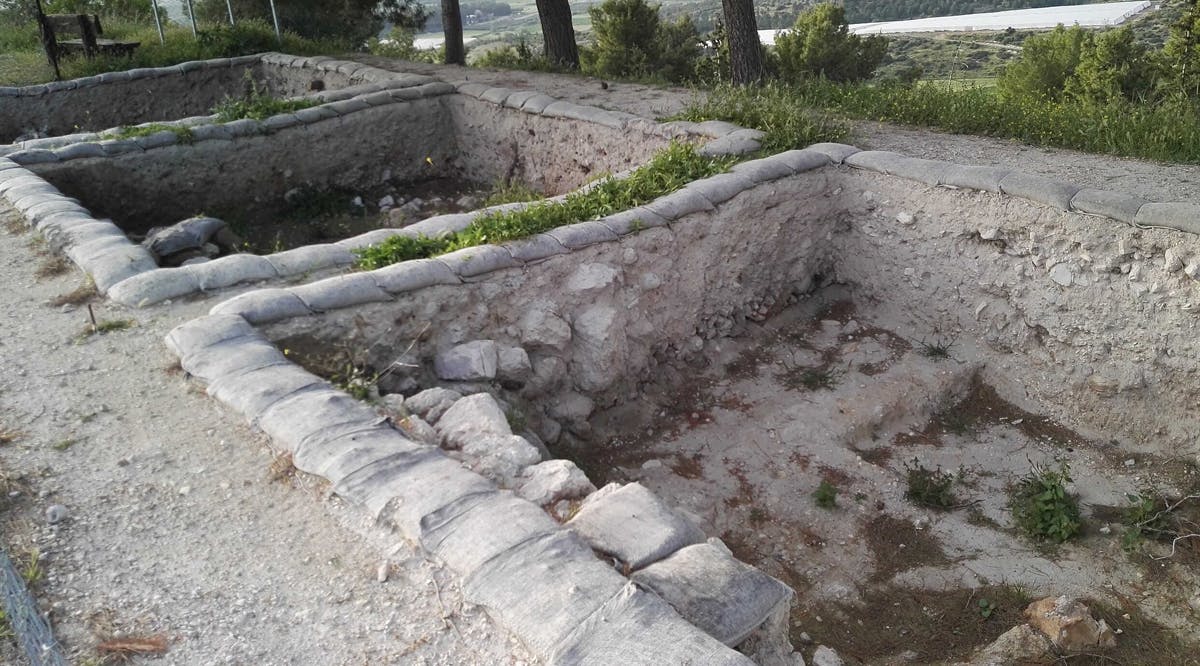
Archaeologists have uncovered an expansive late Roman–Byzantine estate in Kafr Qasim, revealing colorful mosaics, ritual baths (mikvehs), coins, and distinctive oil lamps associated with the Samaritan community. The Israel Antiquities Authority described the complex as a window into daily life and religious practice between the 4th and 7th centuries, ahead of the construction of a new neighborhood in the area. The findings add another layer to the archaeological record of central Israel.
Researchers say the artifacts and architectural features help date the site and illuminate aspects of Samaritan worship and household life. The discovery contributes to a growing body of evidence about communities that lived alongside Jewish and early Christian populations, offering fresh context for students of the Bible and ancient Near Eastern history.
Public interest has been strong, with images of the mosaics and lamps circulating widely. The team emphasized the importance of preserving cultural heritage even as modern development proceeds, noting that future study may yield additional insights.
(TOI/VFI News)
"We will not hide them from their children; we will tell the next generation the praiseworthy deeds of the Lord, his power, and the wonders he has done." – Psalm 78:4
The suggestions, opinions, and scripture references made by VFI News writers and editors are based on the best information received.
Want to see more from VFI? Follow us on Facebook: https://www.facebook.com/visionforisrael and hit “like” if you like us!