
Drought, Mismanagement, and Protests: Iran's Water Crisis Reaches New Heights
Iran's water crisis has reached a critical level, especially in major cities and Tehran, threatening the lives of millions of citizens and the stability of the regime.
The combination of prolonged drought, climate change, and poor governmental management has led to a dramatic decline in water availability, severely damaging infrastructure and daily life.
In Tehran, rainfall has decreased by about 46% this year compared to the average, and the water flow to dams across the country has dropped by 43% compared to last year. Major rivers, including the Zayandeh Rud in Isfahan, are drying up.
Experts blame the government for building dams without proper planning, allocating water to irrigation-heavy crops in deserts, and neglecting old and leaking infrastructure, while prioritizing investments in military and nuclear projects over civilian development.
Water companies in the capital have started implementing water cuts of up to 12 hours for "heavy consumers" after three warnings, but in poorer suburbs, reports indicate interruptions of up to 48 consecutive hours.
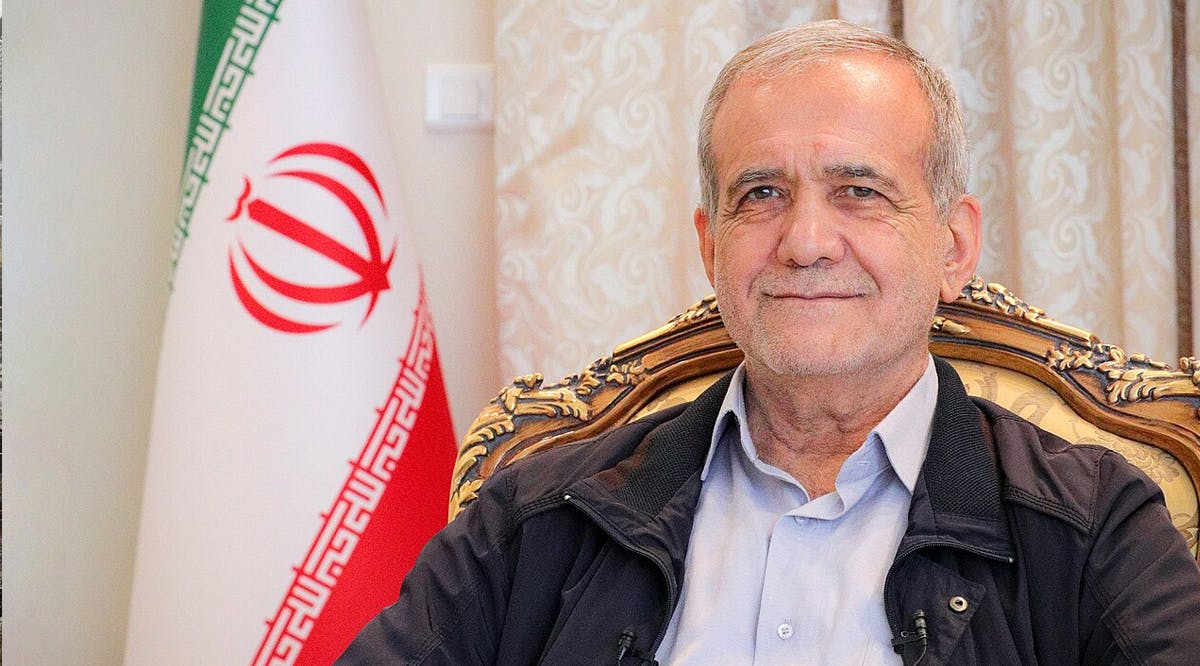
To save water, the authorities have reduced water pressure by about 50%, which is affecting the supply to high-rise buildings. President Masoud Pezeshkian publicly admitted, "We have no water — not beneath our feet and not behind the dams," and urgently called on the public and experts for suggestions on solutions.
Despite government statements that a "zero day" — a complete water shutdown — is not expected, reports from recent days indicate the deployment of water tankers in the heart of Tehran and other cities. This step, meant to provide water to areas affected by the cuts, suggests that emergency solutions have already been activated.
Meanwhile, excessive groundwater extraction has led to land subsidence in cities like Tehran and Isfahan, causing cracks in homes, damage to roads, and severe harm to infrastructure. Experts estimate that 85% of Iran's renewable water resources have already been fully utilized.
The crisis is sparking protests across the country. Residents of Sabzevar and the suburbs of Tehran have protested in front of government buildings over water and electricity cuts, directing their anger directly at the government. Along with the difficult economic situation, the uprising over water shortages is becoming a serious threat to the political stability of Iran.
(INN/VFI News)
“The poor and needy search for water, but there is none; their tongues are parched with thirst. But I the LORD will answer them.” – Isaiah 41:17