
Iran Reopens 50 Bomb-Damaged Missile Tunnels
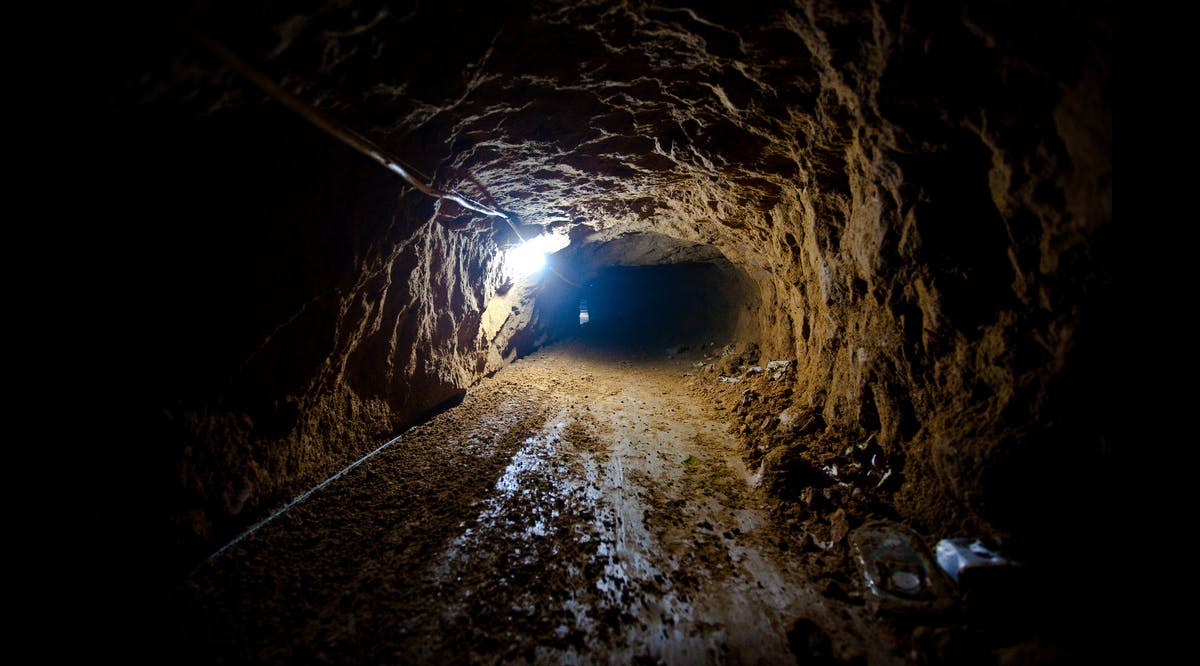
Iran has rapidly rebuilt its underground ballistic-missile network, clearing tunnel entrances that joint US and Israeli airstrikes had collapsed and positioning itself to launch long-range strikes across the Middle East. New satellite imagery, made public on Sunday, May 31, shows that Tehran has reopened 50 of the 69 tunnel entryways that allied munitions had buried, spread across 18 separate underground strongholds. The recovery effort has accelerated sharply since a bilateral ceasefire took effect more than seven weeks earlier.
During the active fighting, allied forces struck the entrances of Iran’s deep-earth bases to trigger rockslides and demolish access roads, briefly choking off the regime’s missile-deployment rates. Rather than relying on advanced engineering, Iranian crews turned to basic equipment — dump trucks, front-end loaders, and bulldozers — to reverse much of that damage. Near Khomeyn, imagery from mid-April captured at least 10 construction vehicles working to unblock a single cavern entrance, while outside Isfahan two sealed tunnel entrances had been cleared and craters were being filled in.
Analysts warn that the swift rehabilitation exposes weaknesses in long-term containment efforts, noting that Iran’s deeply buried arsenal — estimated at roughly 1,000 functional missiles hidden hundreds of meters beneath solid rock — remains largely insulated from strikes at ground level. Pressed on the findings, the Pentagon declined to address specifics, emphasizing instead that the American military remains unmatched and stands ready to act “at the time and place of the President’s choosing.”
(INN/VFI News)
“God is our refuge and strength, a very present help in trouble.” – Psalm 46:1