
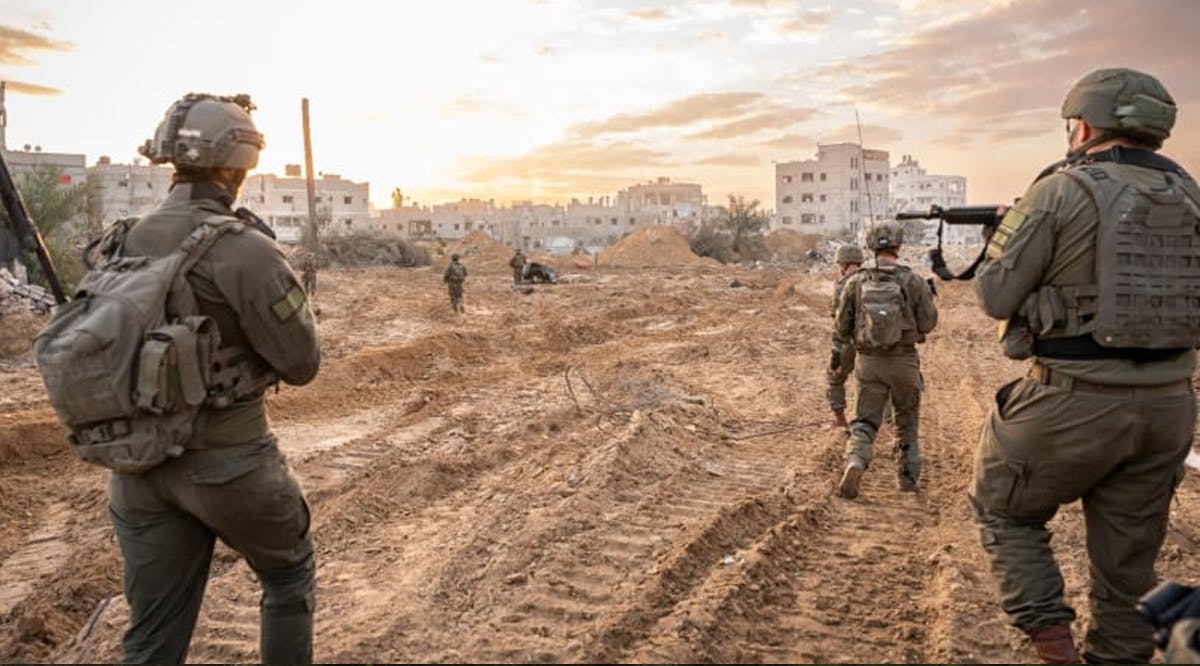
279 IDF Soldiers Attempted Suicide Since Start of 2024, Knesset Report Finds
A report published on Tuesday, October 28, 2025, by the Knesset Research and Information Center found that from January 2024 through July 2025, 279 Israel Defense Forces soldiers attempted to take their own lives. For every soldier who died by suicide, the report noted seven additional attempts—an alarming multiplier that illuminates the scale of distress within the ranks nearly two years into the war. The figures, compiled with data from the IDF Medical Corps’ mental-health center and various Knesset committees, focus on soldiers serving at the time of death or attempt and do not include veterans who died by suicide after completing their service.
One of the starkest shifts appears in the composition of cases. In 2024, combat soldiers accounted for 78% of all suicide cases—well above the 42–45% share recorded annually between 2017 and 2022, and far from the anomalously low 17% observed in 2023. Between 2017 and July 2025, 124 soldiers died by suicide; of those, 68% were conscripts, 21% active reservists, and 11% career soldiers. The report also found that just 17% of soldiers who died by suicide over the past two years had met with a mental-health officer in the two months before their deaths, suggesting both access gaps and missed opportunities for early intervention.
Analysts and clinicians have linked the increase to the surge in reservist mobilization and extended combat deployments following Hamas’s October 7, 2023, attack. Sustained exposure to danger, family separation, financial strain, and cumulative trauma have all been cited as stressors that can magnify pre-existing vulnerabilities. The authors stress that numbers alone cannot capture the complex personal and situational factors that contribute to suicide risk. Still, the trend line nonetheless signals a need for more robust prevention, earlier identification of warning signs, and rapid pathways to care without stigma or bureaucratic hurdles.
The findings have prompted calls to expand mental-health staffing, increase outreach within combat units and reserve formations, and ensure immediate follow-up after any expression of self-harm. Commanders are being urged to normalize help-seeking, provide confidential access to care, and coordinate closely with families to spot changes in behavior. With the war’s strain still visible across Israeli society, the report is a sobering reminder that support for soldiers must include practical steps that meet them where they are—on base, in the field, and at home.
(TOI/VFI News)
“Father, we ask for Your healing presence over every soldier and reservist who is struggling in silence. Strengthen their minds, guard their hearts, and surround them with wise counselors and compassionate friends. Give leaders discernment to build systems of care that save lives and restore hope.”