
Archaeologists Uncover Unique Christian Artifact Near the Sea of Galilee
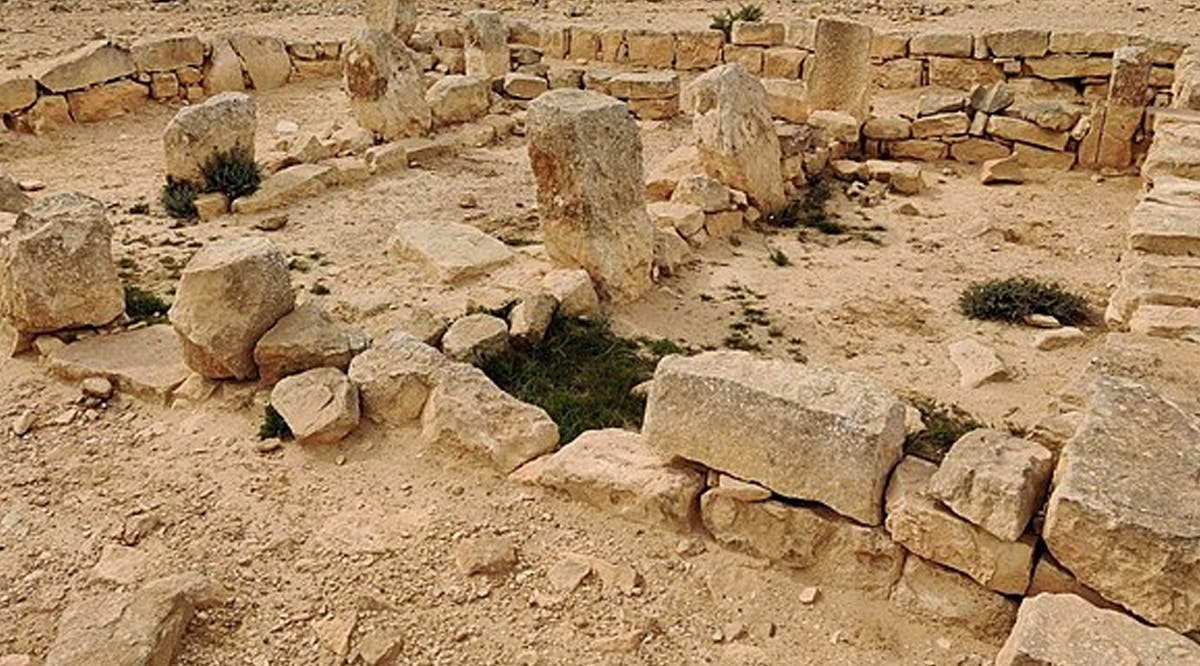
Archaeologists have uncovered a one-of-a-kind 1,400-year-old artifact near the Sea of Galilee that may reveal new details about how early Christians practiced baptism. The artifact was found in the ancient city of Hippos, a prominent bishop’s seat during the Byzantine era and the only Christian city around the Sea of Galilee, controlling territory closely associated with the ministry of Jesus.
The marble block, featuring three hemispheric cavities carved into its top, was discovered in a baptismal hall called a photisterion inside the city’s cathedral. Researchers from the University of Haifa believe the three bowls held different oils used during a threefold baptismal immersion ceremony. After extensive examination and comparison, scholars concluded that no known parallels to the artifact exist anywhere in the archaeological record.
The baptismal hall where the artifact was found was built after 591 AD and was destroyed by an earthquake in 749 AD, burying the marble and bronze artifacts beneath rubble and preserving them for over a millennium. Michael Eisenberg, the lead archaeologist, said the find is relevant not just for Hippos but for the entire world of ancient Christianity around the Sea of Galilee, believed to be the site of many of Jesus’ miracles.
(FOX/VFI News)
“The earth is the Lord’s, and all its fullness, the world and those who dwell therein.” – Psalm 24:1
The suggestions, opinions, and scripture references made by VFI News writers and editors are based on the best information received.
Want to see more from VFI? Follow us on Facebook: https://www.facebook.com/visionforisrael and hit “like” if you like us!